


Members

Kregg Hetherington, PhD
Concordia University Research Chair in Environmental Ethnography
Dr. Kregg Hetherington is director and co-founder of the Ethnography Lab, which promotes methodological experimentation around ethnographic practice. He is also the lead investigator for a network of five similar labs in the production of EMERGE: a matrix for Ethnographic Collaboration and Practice. At the Lab, he leads an interdisciplinary research group on Montreal Waterways.
Kregg is the author of two books about environmental politics, bureaucracy and agriculture in Latin America, Guerrilla Auditors, and The Government of Beans, which won the Rachel Carson Award, the Critical Anthropology Book Prize and the Julian Steward Award for Environmental Anthropology. He also edited the volume Infrastructure, Environment and Life in the Anthropocene.

Bart Simon, PhD
Associate Professor, Sociology and Anthropology
Simon’s research is focused on the areas of science and technology studies, critical post-humanism, and everyday technocultures with specific interests in digital culture, games and virtual worlds, and alternative energy cultures. Drawing on sociological traditions in ethnography, Simon is interested in multi-modal, virtual, and collaborative ethnographic practice as well as methodological strategies for engaging with material culture and technology through research-creation.
Simon is the co-founder of the Ethnography Lab and the founding director of the Milieux Institute for Arts, Culture and Technology at Concordia. His current research focuses on game modding cultures, the concept of liveness in immersive theatre, solar powered experience design, and creative encounters with artificial intelligence.

Maria-Carolina Cambre, PhD
Associate Professor, Education
Cambre’s interests include the politics of communication, the issue of representation, critical policy analysis & critical visual sociology and anthropology, all with an eye to social justice issues as well as community and identity broadly speaking. Thus, Cambre looks at representation mainly through semiotics, anthropological and sociological theory, and with respect to the literature in visual cultural studies, communication and discourse analysis. Cambre uses various frameworks and lenses, generally with a critical focus. Cambre is interested in theoretical investigations within the realm of semiotics and ethics broadly speaking especially in relation to communication and the visual. Cambre conducts artistic research through creative research & exploration, again centering on concerns around visualities & representation.

Mitchell McLarnon, PhD
Assistant Professor, Department of Education
Mitchell McLarnon is an Assistant Professor of Adult Education and Community-Based Learning in the Department of Education. His research interests include institutional ethnography, community-based and participatory research, visual methodologies, environmental education, land-based education, climate change education, community gardening, gentrification, food insecurity and urban political ecology. As co-director of the Visual Methods Studio, Mitchell employs an ethics first approach to visual methodologies and brings them into conversation with institutional ethnography. Institutional ethnography as a sociology seeks to reveal how people’s local work processes can be connected across time and space by paying attention to the political, economic, and administrative systems that produce and shape diverging human experiences, while visual methods encourage researchers to make data collection and representation visual. In this sense, his research seeks to make the unseen visible for more evocative observations and interpretations.

Mark K. Watson, PhD
Associate Professor, Sociology and Anthropology
Watson joined the Department of Sociology & Anthropology, Concordia University as Assistant Professor in July 2008 but had first moved to Montreal in 2006 to take up a position as Postdoctoral Fellow in the Comparative Study of Indigenous Rights and Identities in the Department of Anthropology, McGill University. There, he developed his work on Indigenous Ainu in Tokyo in terms of thinking about Urban Indigenous Studies as a coherent (sub-)field of anthropological research. He did his doctoral work in Anthropology at the University of Alberta between 2000-2005, two years of which he spent doing fieldwork as Visiting Researcher at the Institute for International Culture, Showa Women’s University, Tokyo, Japan. He also spent eight months at the Centre for Japanese Research, Institute of Asian Studies, University of British Columbia. His doctoral thesis (2006) was entitled Kanto Resident Ainu and the Urban Indigenous Experience.

Jonathan Wald, PhD
Jonathan Wald is a PBEEE postdoctoral fellow in the Department of Sociology and Anthropology at Concordia University and a lecturer in the Department of Science and Technology Studies at the Rensselaer Polytechnic Institute. His research draws from anthropology, STS, philosophy, environmental science, and speculative fiction to examine the undermining of traditional modes of science, politics, and ethics amidst the climate crisis. He worked with the Secretary of the Environment and Sustainable Development for the Brazilian state of Minas Gerais to support disaster management and international collaborations.
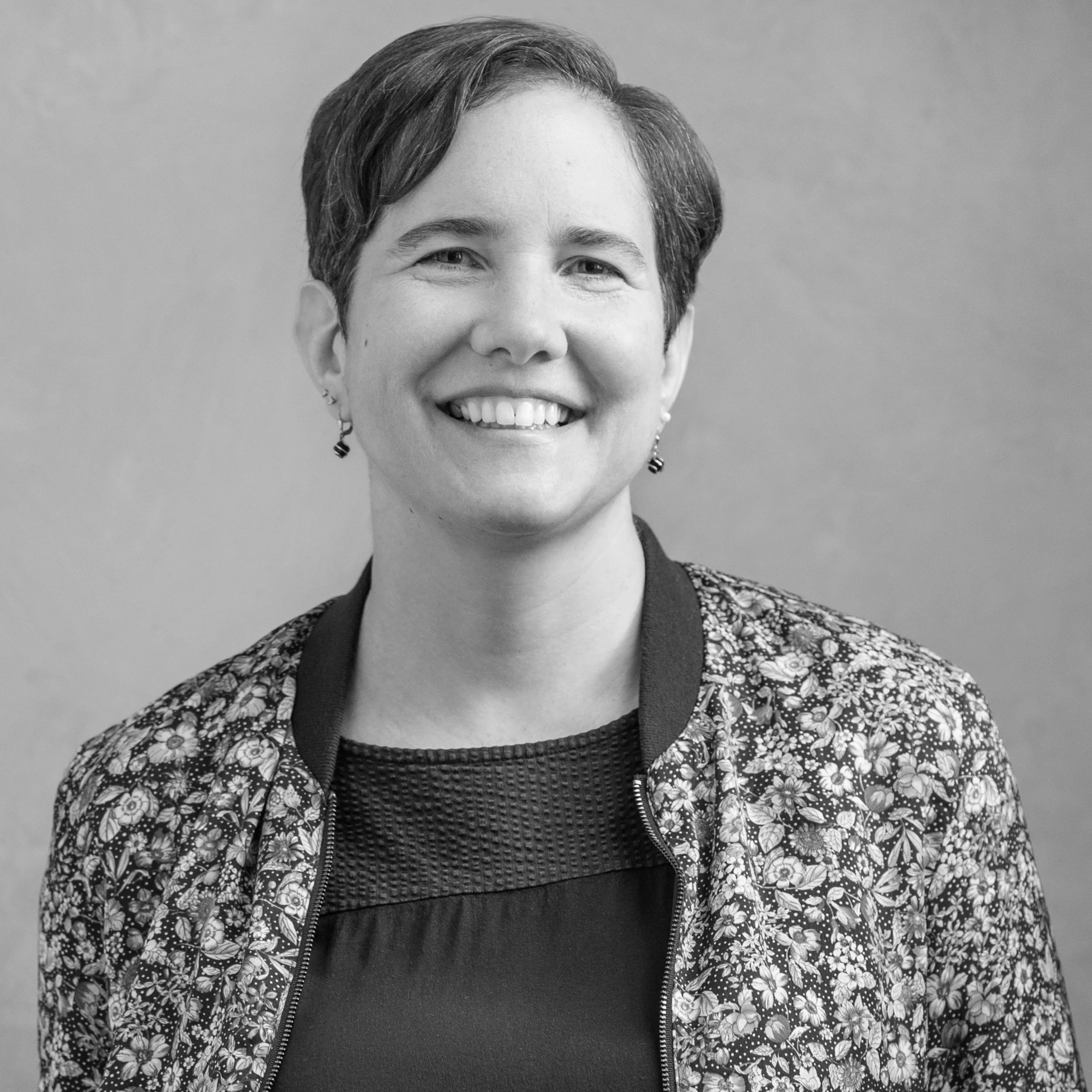
Sandrine Lambert, PhD
Sandrine Lambert is a Postdoctoral Research Fellow at the Ethnography Lab at the Milieux Institute for Arts, Culture and Technology, Concordia University. Her research examines the energy governance of data centers and the sociotechnical imaginaries shaping digital infrastructures. She engages with interdisciplinary approaches to democracy, technology, and the environment. Sandrine holds a PhD in Anthropology from Université Laval, where her doctoral work explored civic participation in digital fabrication spaces in Barcelona, as well as urban and techno-utopianism. Her broader interests include digital infrastructures, commons, and technological politics.

Melina Campos Ortiz
Melina Campos Ortiz is a PhD candidate in Social and Cultural Analysis at Concordia University and holds an MA in Media Practice for Development and Social Change from the University of Sussex. Her research draws on environmental anthropology and feminist STS to explore the social lives of indicators of agrochemical use in Costa Rica. Through a combination of ethnographic methods, she examines how these indicators reflect broader questions of life, death, and ecological governance in the Anthropocene. Throughout her graduate studies, she has also had an active role at the Concordia Ethnography Lab, serving as coordinator, coordinating the multi-lab network EMERGE for 3 years, and frequently writing and curating content for the lab’s blog. Prior to her time at Concordia, she worked on international development projects in Central America, focusing on institutional capacity-building and advocacy for sustainable agriculture, renewable energy, and human rights.
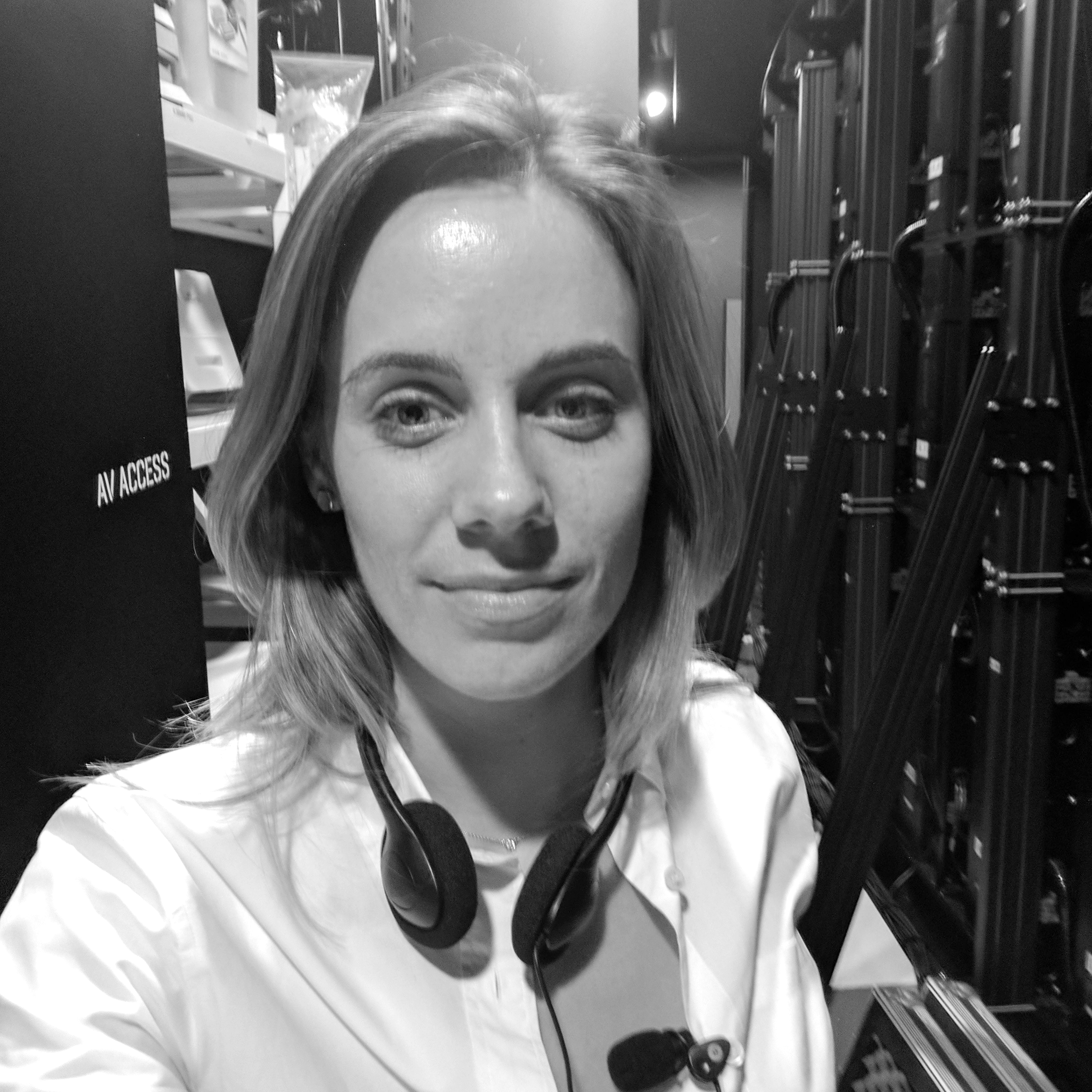
Sarah Yems
Sarah is a PhD candidate in the Social and Cultural Analysis programme. She holds a BA in English Language and Literature from the University of Oxford and an MSc in Sustainable Development from the University of Sussex. Additionally, Sarah has extensive experience in communications and advertising, having worked with the world’s largest tech, auto, and FMCG clients at creative and digital agencies and at Google. In her PhD research, Sarah explores how the creative parts of the advertising industry are navigating the encroachment of AI into their workstreams. Sarah is a member of the Waterways working group and is the Comms Officer for the Canadian Anthropological Society, CASCA.
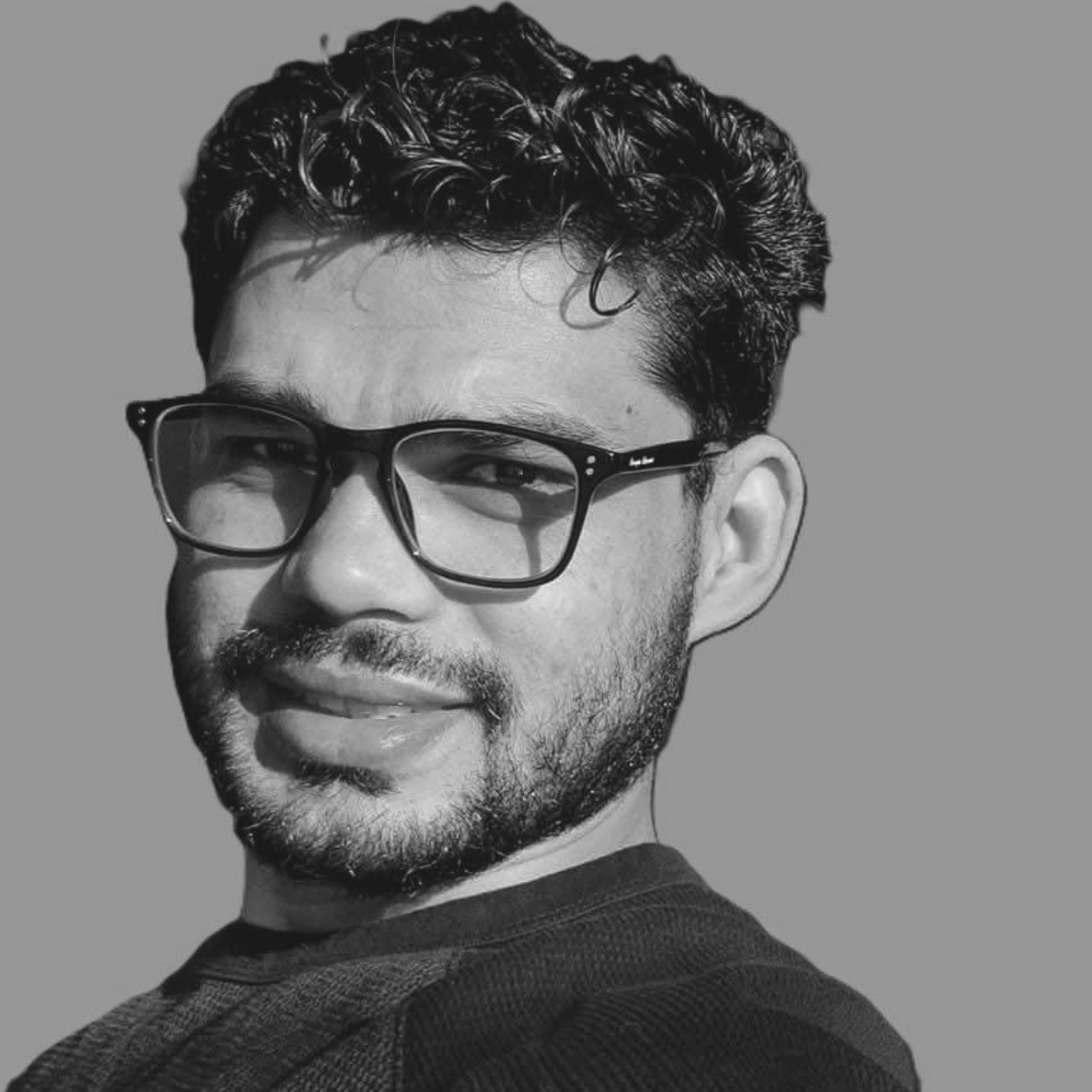
Manoj Suji
Manoj Suji is a PhD Candidate in Social and Cultural Analysis at Concordia University. His research examines the narratives about the environmental future of Nepal’s Chure and Terai region. Bringing together three major actors’—political, scientific, and grassroots communities—stories, different forms of storytelling, and observation around Chure’s dohan and desertification, he examines the broader question of how desertification works as a political narrative in the ecological governance and human and non-human lives in the Anthropocene and climate change. His research is supported by Concordia University, the Fonds de Recherche du Québec, and the Association for Nepal and Himalayan Studies. He has worked with the Ethnography Lab’s projects such as Waterways and infrastructure of ethnography.

Hanine El Mir
Hanine is an avid activist first and an aspiring anthropologist more recently. She holds an MA in Social & Cultural Anthropology from Concordia University, a BA in English Literature and a BA in Media/Communications, with two minors in Film/Visual Studies and Arabic Language, from the American University of Beirut. She works as a researcher, journalist, writer, and translator, and dreams of becoming a thesaurus one day. During her time at the Ethnography Lab, Hanine contributed to the Ethnoblab blog as a writer and editor and was the Wordfactory writing group coordinator. In her free time, Hanine tends to a community garden, cooks at a vegan solidarity kitchen, and makes games which you can find on itch.io.

Carlos Olaya Díaz
Carlos Olaya Díaz is a PhD student in Social and Cultural Analysis at Concordia University, with a LL.M and a Law degree from the National University of Colombia. He is interested in the dynamics of State formation, environmental governance, and farming in Colombia, especially in the industrial agriculture regions of the country. His current PhD research project is an ethnography about alienation and the crisis of rice monocrops in Colombia, from a combination of critical agrarian studies and the anthropology of value. Carlos has worked with the Ethnography Lab’s projects related with ethnography and infrastructure such as Emerge, and some contributions to Waterways.
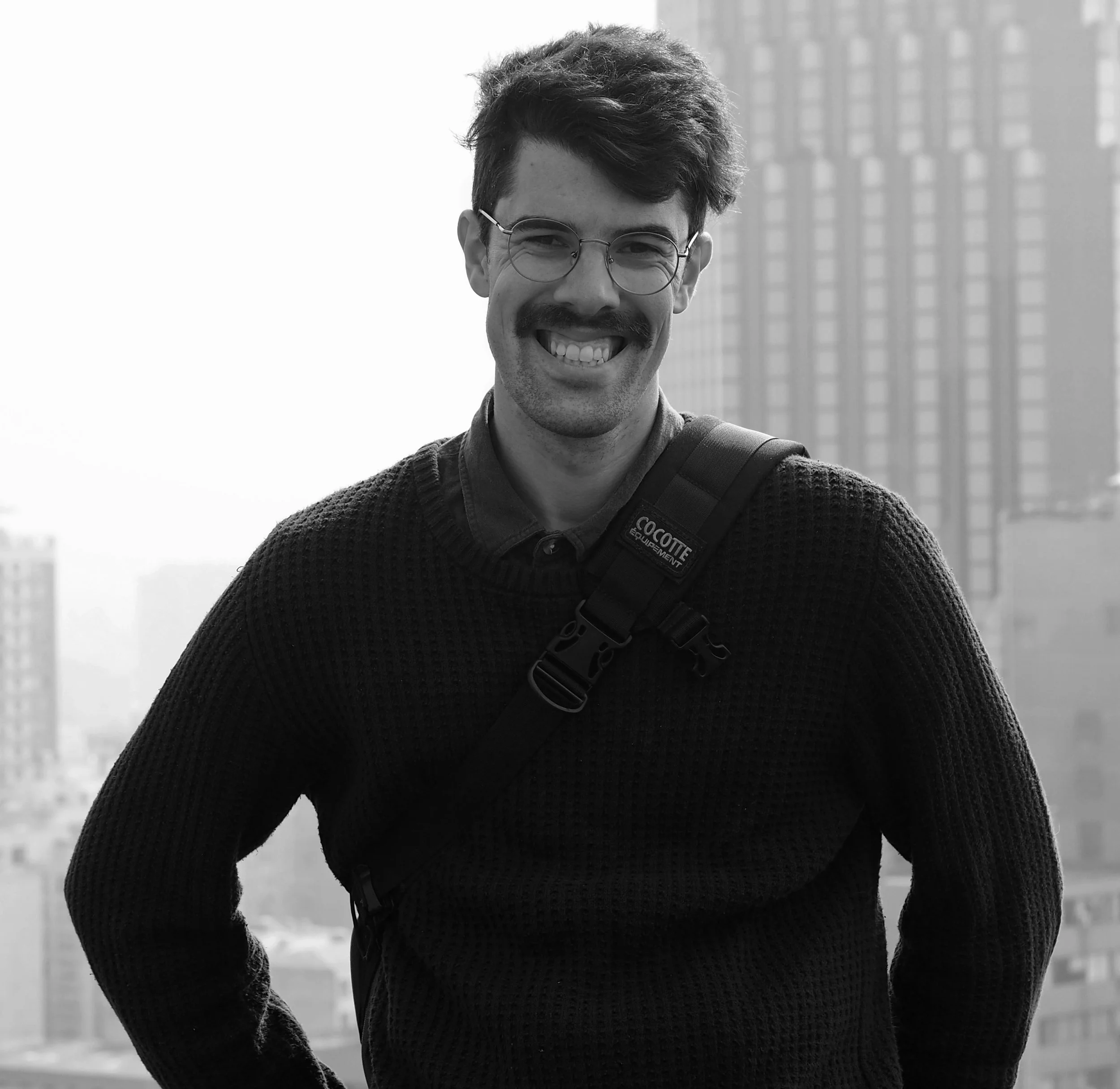
Simon Parent
Simon Parent is a PhD student in Social & Cultural Analysis. He holds a master's degree in sociology from UQAM and his research focuses on the expansion of soybean monoculture, rural transformations and the changing relationships of riverside communities with wetlands in Argentina's Paraná Delta.
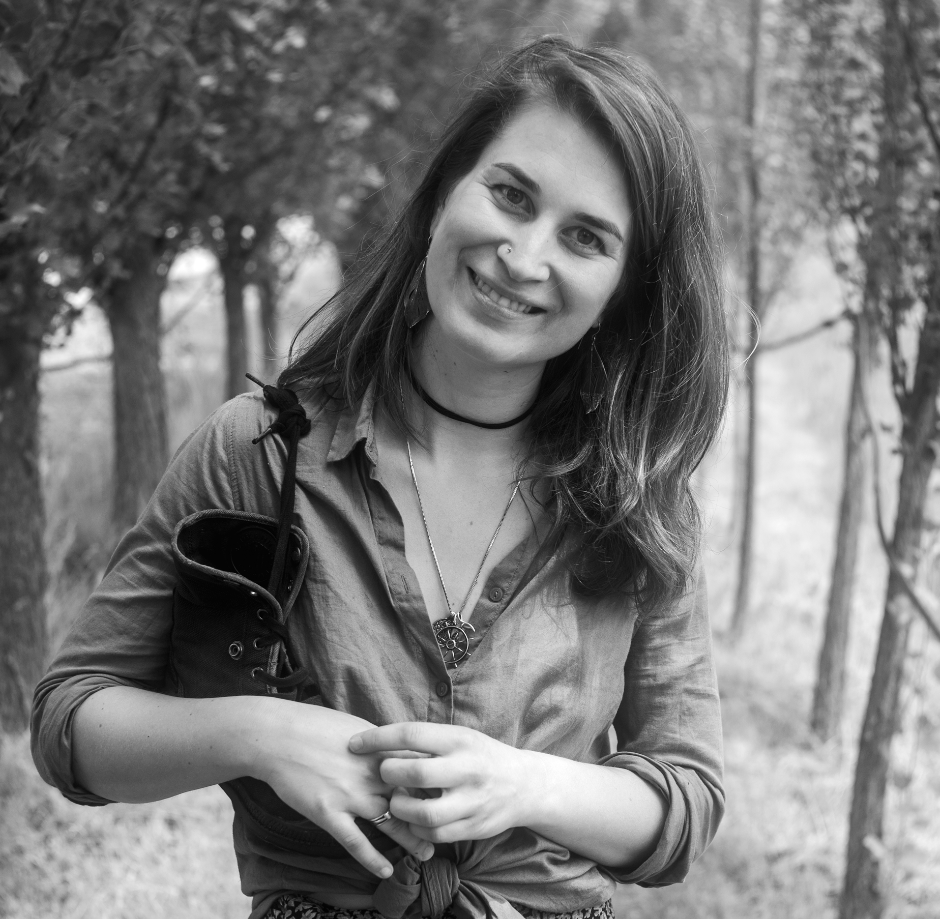
Polina Shubina
Polina’s background is in theatre, puppetry, visual arts, and sailing. She is in her 2nd year of PhD, working at the intersection of Performance Studies, Environmental Humanities, and Communication Studies. Her PhD research-creation explores sailing as a method and the sailing boat as a medium for interdisciplinary inquiry, community building, and outreach. Polina is an active member of the Waterways group in the Ethnography lab, Scholar in Residence at the Center for Oral History and Digital Storytelling, and a Research Assistant on Learning with the St. Lawrence River collaborative Art & Science project. Polina is excited about experimental and interdisciplinary research/research-creation methodologies and projects around bodies of water, shorelines, and human to more-than-human relationships.
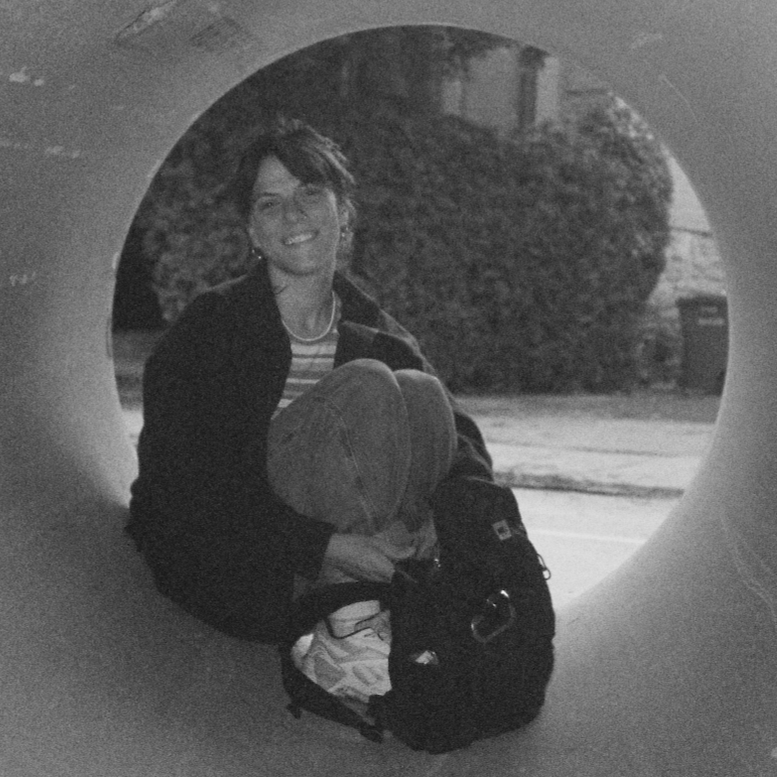
Marianne Couture-Cossette
Marianne is a PhD candidate in geography. She holds a masters in geography and a bachelors degree with honors in psychology from UQAM. Her doctoral research centers fire as a character she follows as a research companion. Marianne’s ethnography explores fire enactment in the Canadian context: its political, imaginative, moral and aesthetic foundations, and frictions between areas of practice. She is a member of the Montreal Waterways collective. With colleagues Kregg and Simon, she is also busy investigating floodings, insurance landscapes and floodplain maps. Marianne was the coordinator of the Lab in 2025-2026.
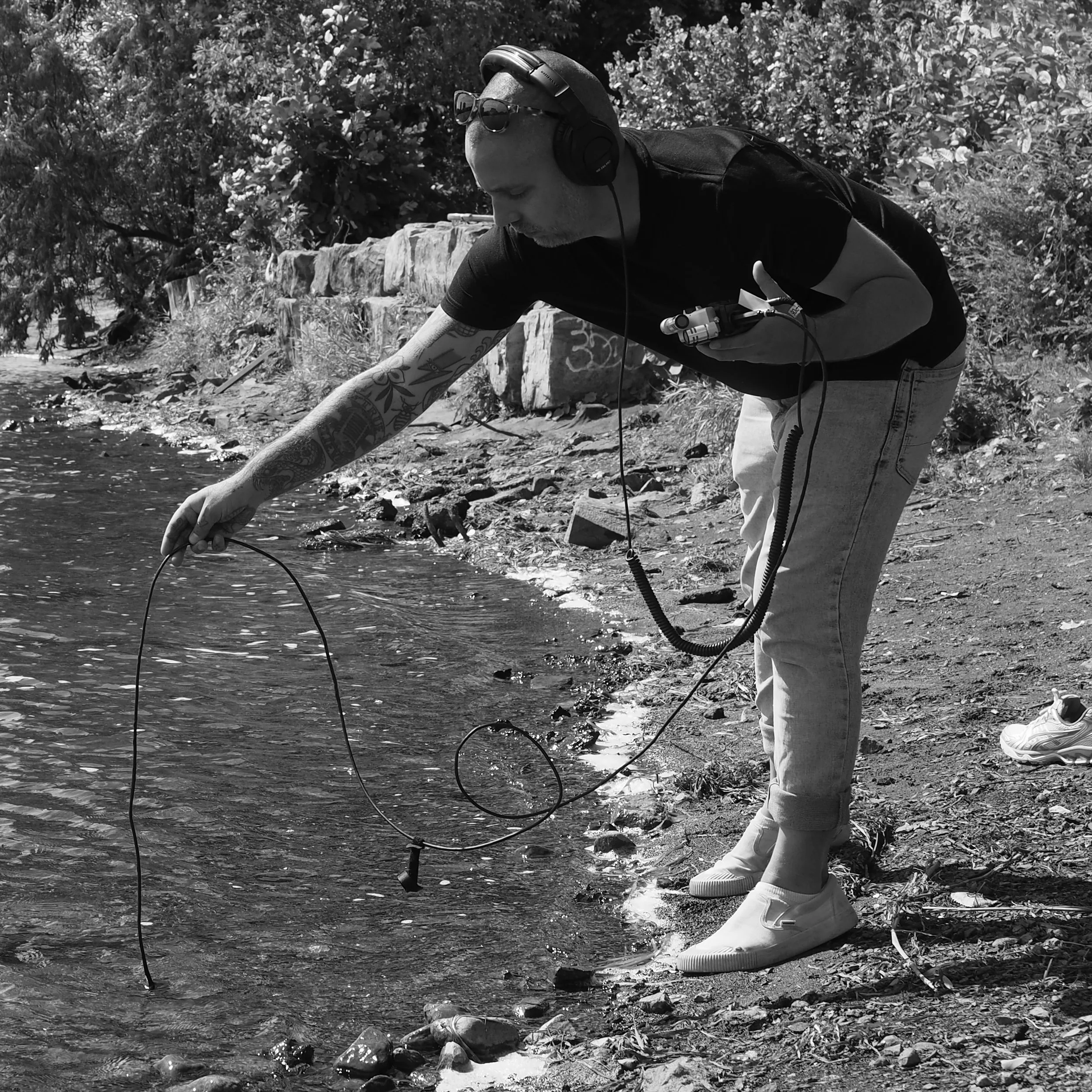
Patrizio McLelland
Emerging from a background in musical composition and touring performance, Patrizio's curiosity has brought him across different trajectories. Currently a Masters student in Concordia's Design Program, he is at once a designer/musician/artist/learner whose critical and speculative practice explores interconnections between citizen science and public space, amidst urban ecological transition. He has worked as a Research Assistant with Dr. Alice Jarry, Kregg Hetherington, and Dr. Carmela Cucuzzella, and is currently the Coordinator for the Milieux Institute's Speculative Life Research Cluster.
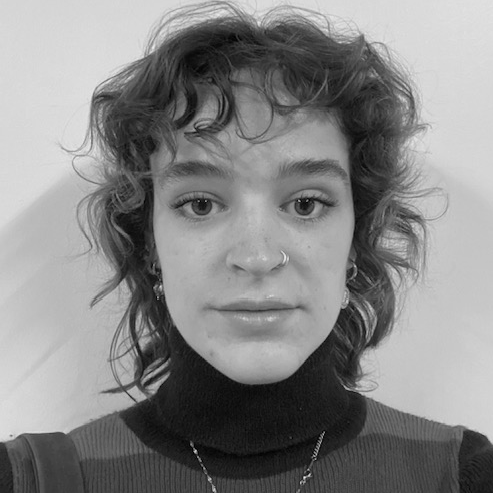
Annabel Durr
Annabel Durr is an MA student in Social and Cultural Anthropology at Concordia University and a member of the Montreal Waterways group within the Ethnography Lab. Her research interests lie in the environmental humanities, focusing on the intersection of more-than-human relations, artistic and experimental ethnographic methods such as phytograms and cyanotypes, and ecological activism in Montreal. Her undergraduate thesis focused on how urban foraging changes people's perceptions and relationships with the urban environment.
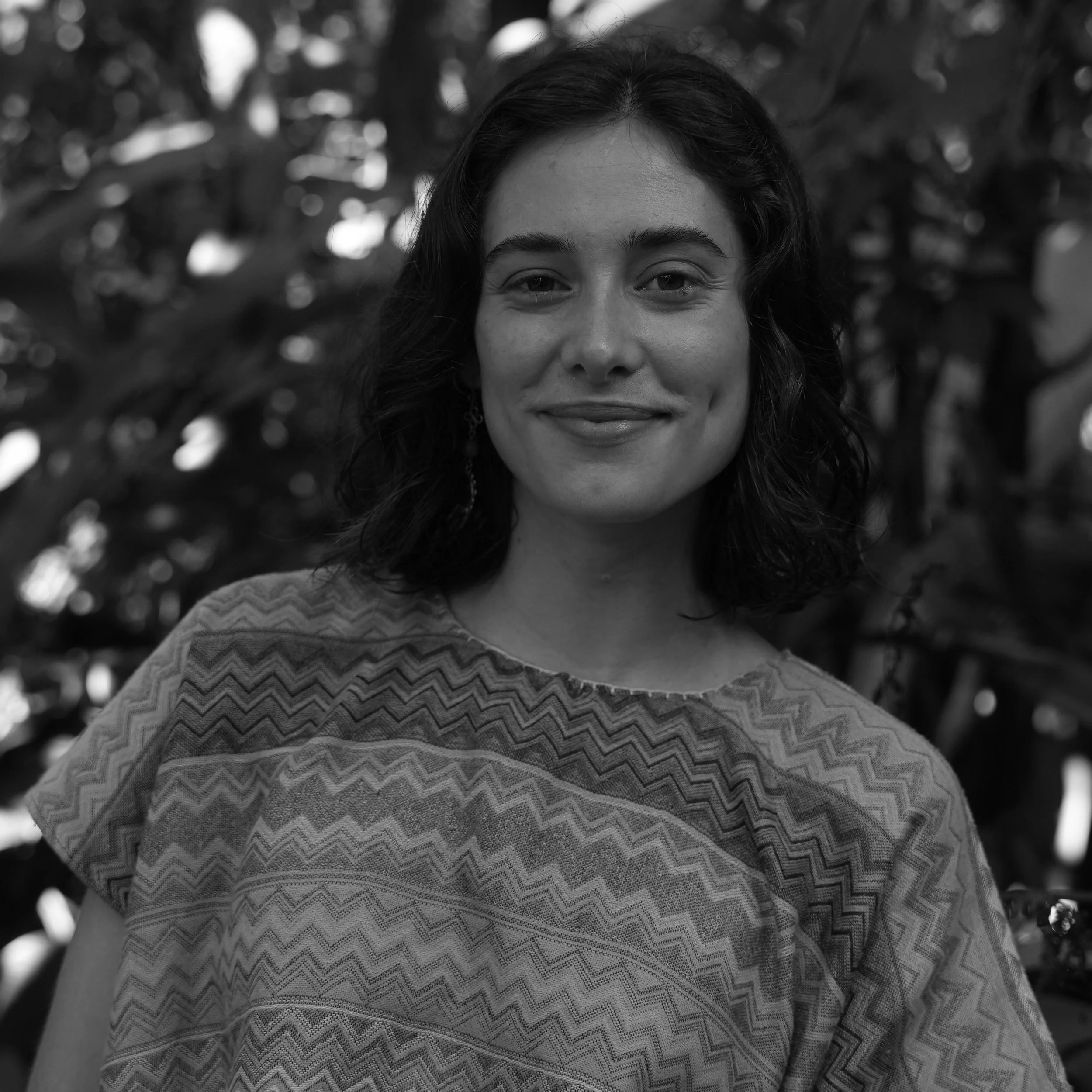
Sam Sagredo
Sam arrives at the Ethnography Lab, and to her MA in Anthropology more broadly, through intersecting rural and urban life-work experiences across Latin America and Canada. Grounded in a commitment to social change that takes collective life as a site of value and possibility, her professional path has moved through ecological education and regeneration, food security and community gardens, and nonprofit partnership development. Her research explores land-based education as a relational practice, tracing shifting collaborations between ecologies, grassroots learning spaces, and public school institutions, and the collective momentum generated by (ecological) education actors working toward a socio-ecological transition
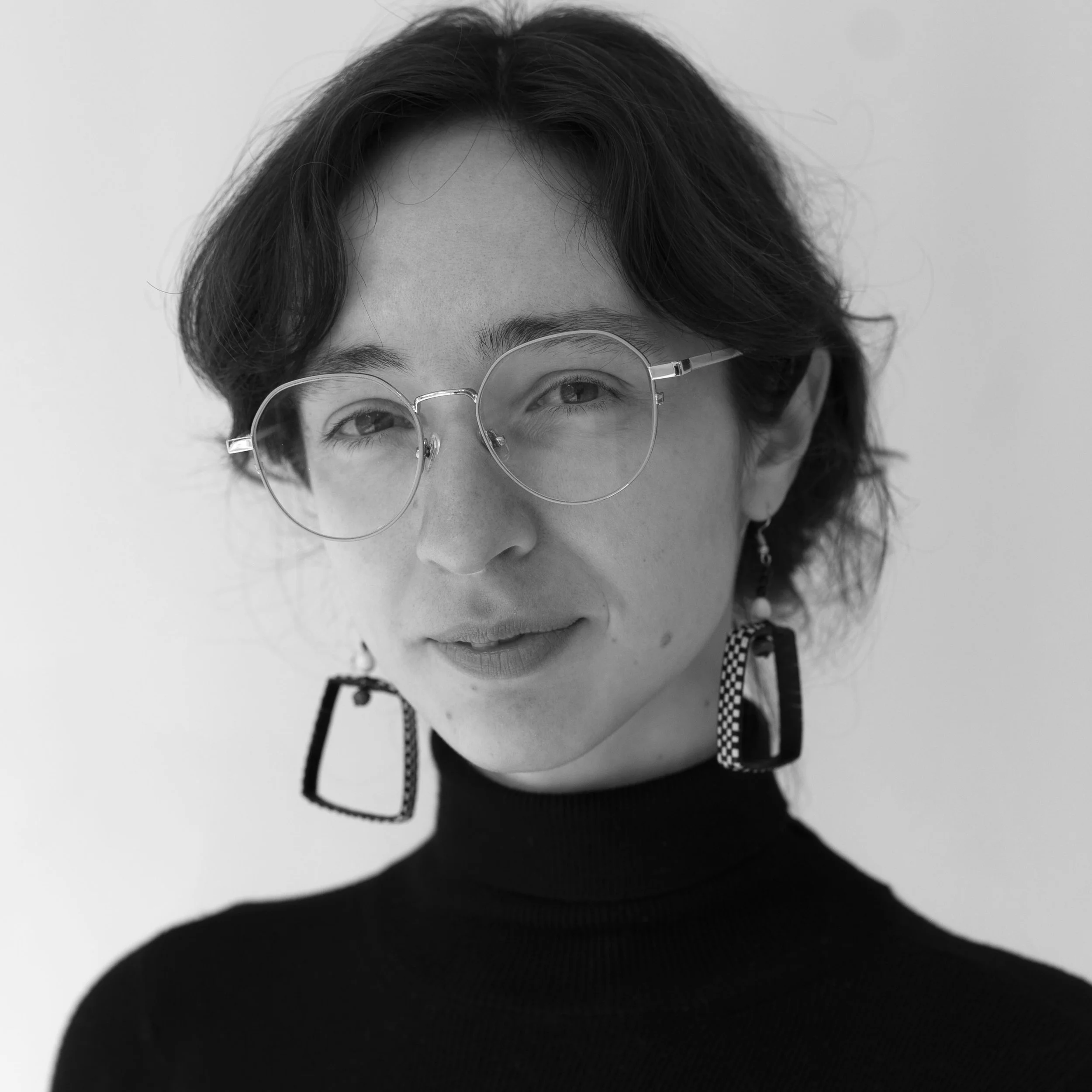
Fiorella Boucher
Fiorella Boucher is a multidisciplinary artist, poet, and MA student in Social and Cultural Anthropology at Concordia University. She holds a BA in Physics from Université de Montréal, where she focused on theoretical physics and gained research experience working with climate models. Her artistic work has been presented across various venues and film festivals, and her writing has appeared in art and literary journals. Boucher’s research investigates the contemporary uses of medicinal plants in eastern Paraguay, evaluating how they intersect with the expanding agribusiness sector.

Maria Isabel Trivilin
Maria Isabel Trivilin is a PhD candidate in Social Anthropology at the Museu Nacional/UFRJ (PPGAS/MN/UFRJ) and a visiting research student at Concordia University as part of her doctoral visiting period. She holds an MA from the same program, supported by a Faperj Nota 10 scholarship, and is the author of the dissertation From “Fighting Roosters” to Confined Broilers: forms of living, killing, and dying in a community entangled with agribusiness, nominated by the program to represent it in the 2025 ANPOCS Thesis and Dissertation Award. She earned her BA in Social Sciences, including a teaching credential, from the State University of Maringá (UEM), graduating with academic honors. She is a member of the Núcleo de Antropologia da Política (NuAP). Her ethnographic research examines the transformations and impacts of agribusiness – especially the expansion of soy and industrial broiler production – in a rural community in Paraná, southern Brazil. With an everyday-life perspective and an engaged approach, her interests include the anthropology of peasantry, plantation, agribusiness, affect, and rural studies.
CURRENT WATERWAYS TEAM
Angelica Pliego
Marianne Couture Cossette
Patrizio McLelland
Sarah Yems Polina Shubina Simon Parent Annabel Durr
Aryana Soliz
Ceyda Yolgormez
Onder Gunes
FORMER COORDINATORS
Marie Lecuyer
Melina Campos Ortiz
Maya Lamothe-Katrapani Marianne Couture-Cossette
FORMER MEMBERS
Maya Lamothe-Katrapani Camila Patiño Sanchez John Neufeld Nathan Ferguson Treva Michelle Legassie
Lucian Ivanov
Jessica Bleuer
Onder Gunnes
Adriana Cabrera Cleves
Gabrielle Lavenir
Kris Millet
Aruana Soliz
Tricia Toso
Ceyda Yolgörnez
Irmak Taner
Genevieve Collins
Sarah Bahrami
Pamela Fillion
Pier-Olivier Tremblay
Paula Bath
Ariana Seferiades Prece
Andrea Caroní Schweitzer
Anne-Marie Turcotte
Amrita Gurung
Clara Casian
Derek Pasborg Elizabeth White Daniela Giudici Javiera Araya Moreno Chloe Marchal Isabella Byrne
Fariba Almasi
Agnieszka Bill-Duda
Sara Breitkreutz
Marie-Eve Drouin-Gagné
Emanuelle Dufour
Mathieu Guerin
Alix Johnson
Bonnie Klohn
Carmen Lamothe
Brieanna Paget
Vjosana Shkurti
Adam van Sertima
Sami Zenderoudi
Margaret (Maggie) Dubyk
Heather Wallman
John Marlon Elie Deidouss
Nora Lamontagne
Arturo Esquirel
Frederica Chiusole
Tristan Biehn
Lindsey Jackson